
Guiding Questions
- What is the liver?
- What are the parts of the liver?
- What are the functions of the liver?
Overview
When you use a coffee filter, you can observe that it is able to cleanly separate the coffee grounds from the coffee in an impeccable filtration system. There is actually an organ in the body that plays a very similar role.
The liver is a very important organ that lies beneath the diaphragm and above the stomach. It is best known for its role in detoxification, or filtering harmful substances and waste out of the blood. It also produces bile, cholesterol, certain proteins, and glycogen. The liver plays roles with regulating blood composition and managing levels of certain elements in the body as well.
Parts of the Liver
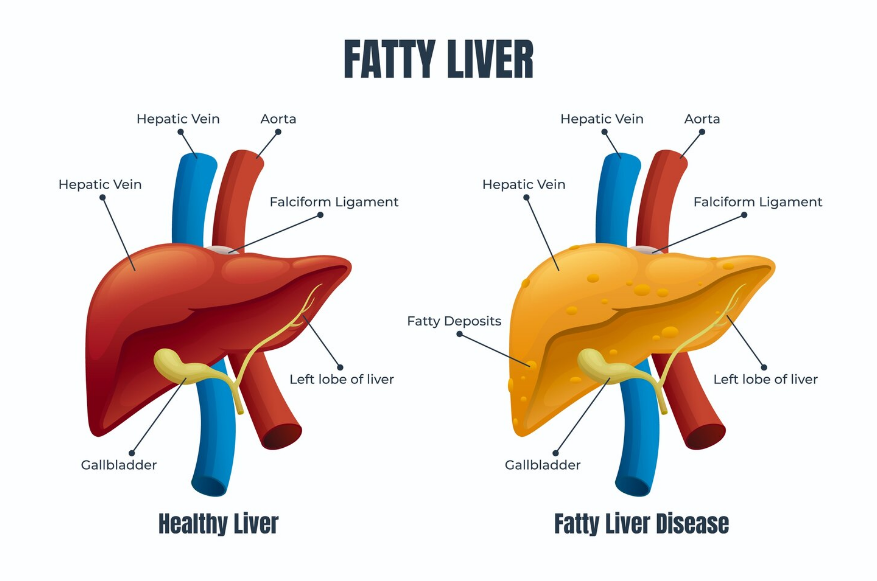
Overall, the liver is a red-brown cone-shaped tissue. It is composed of 2 lobes, or parts, which both have blood vessels and many smaller lobes. There are also a few other key components.
Hepatocytes, or liver cells, are clustered throughout the liver to make thousands of smaller lobes.
Lobules are clusters of hepatocytes that specifically connect with the bile ducts.
Bile ducts are the tubes that help carry bile from the liver to the small intestine and the rest of the body.
Hepatic veins are the particular blood vessels that run throughout the liver. The blood flowing through them allows the liver to filter out waste and toxic substances through excretion.
Functions of the Liver
The liver plays several vital functions in the body.
This organ is mainly known to break down harmful substances in the blood. This process creates extra products, or byproducts. Byproducts in the bile leave through the intestines as feces. Byproducts in the blood leave as urine.
The liver is very important for producing bile. Bile is a fluid that breaks down fats in the food during digestion and carries away waste.
The liver also produces cholesterol, which helps carry fats throughout the body.
The liver produces specific proteins as well. Some help cholesterol carry fats throughout the body. Others are made for blood plasma, which is the liquid component of the blood that carries the various different types of blood cells.
The body often has an excess amount of glucose, which is a form of energy. The liver converts this glucose into glycogen, which is a type of carbohydrate that helps store energy when it is not actively needed. Whenever the body needs energy, it can simply convert the glycogen back into glucose.
The liver also plays many more roles in regulating hemoglobin, clearing out unwanted substances and bacteria from the blood through detoxification, managing blood clotting, and making active immune agents.
Liver Regeneration
The liver is one of the only organs that is able to regenerate, or regrow itself. This happens when a part of the liver is removed or damaged. The blood circulation is only able to happen in the part that has not been compromised. The immature cells in the working part grow bigger; although they do not have the full functions of a proper liver cell, they are able to mature and gain all function.
This makes it a relatively easy organ to transplant in surgery. While other organs such as the lungs can not grow back, surgeons are able to account for the fact that the liver can. When taking parts of a liver, they leave at least 30% of it so that it is able to grow back and function as normal after recovery.
Review
- What are liver cells called? Hepatocytes
- What are the tubes that transport bile from the liver to the small intestine? Bile Ducts
- What are the blood vessels in the liver called? Hepatic Veins
- What does the liver convert glucose (energy) into for storage? Glycogen
- Can the liver regenerate itself? Yes
DISCLAIMER: THIS BLOG POST DOES NOT PROVIDE MEDICAL ADVICE
The blog post and everything contained on it is for informational purposes only. No material on this site is intended to be a substitute for professional medical advice, diagnosis or treatment. Always seek the advice of your physician or other qualified health care provider with any questions you may have regarding a medical condition or treatment and before undertaking a new health care regimen, and never disregard professional medical advice or delay in seeking it because of something you have read on this website.

Recent Comments