
What is Citizen Science?
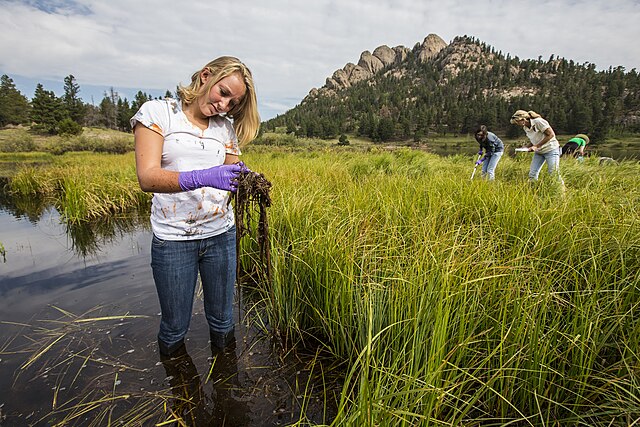
Citizen science is a partnership between public and professional scientists that gathers and analyzes environmental data.
- How it works (at our level): People observe nature (plants, insects, birds), test local water with simple kits (like pH or nitrate strips), or log air quality with small sensors or apps.
- Why it matters: Many eyes equals lots of data. Scientists can spot patterns, like where a species is growing, when flowers bloom, or which creek has higher pollution.
- Where the data goes: To project databases (e.g., nature ID apps or class spreadsheets) where scientists and community leaders can analyze results.
Real-World Impact and Your Tools
Citizen Science projects use modern technology to turn your observations into valuable data that informs conservation policies and helps track global change.
- Climate Change: Track shifting seasons and migration patterns (phenology) to see the long-term effects of global warming.
- Endangered Species: Locate crucial, remote habitats for rare animals, helping to guide conservation efforts.
- Pollution Monitoring: Pinpoint sources of contamination using simple observations like water clarity readings and algal bloom photos.
Example: iNaturalist: Use your phone to photograph a plant or animal for community-assisted identification.
Fun Facts
Here are some interesting facts about citizen science:
- The discovery of a new type of galaxy, called “Green Pea” galaxies, was made by a Dutch schoolteacher (a citizen scientist) classifying photos for the online Galaxy Zoo project.
- A massive project called the North American Bat Monitoring Program relies on citizens to listen for and record bat calls.
- Data from high-quality citizen science projects like eBird is now routinely used in peer-reviewed scientific papers.
Review
Let’s quickly recap what we learned about citizen science:
- What type of environmental process helps scientists track climate change? Phenology
- What is a famous citizen science app used to identify species? iNaturalist
- What does citizen science give researchers that they can’t get alone? Environmental Data
- How can citizens test local water to collect data? pH or Nitrate Strips

Recent Comments