
What Are Bioactives?
Bioactives are naturally occurring compounds in food that can modulate body functions (inflammation, cell signals, immunity).
They’re not vitamins but plant-made helper compounds that can support our health.
Major groups with examples:
- Polyphenols: flavonoids, tannins (berries, tea, cocoa).
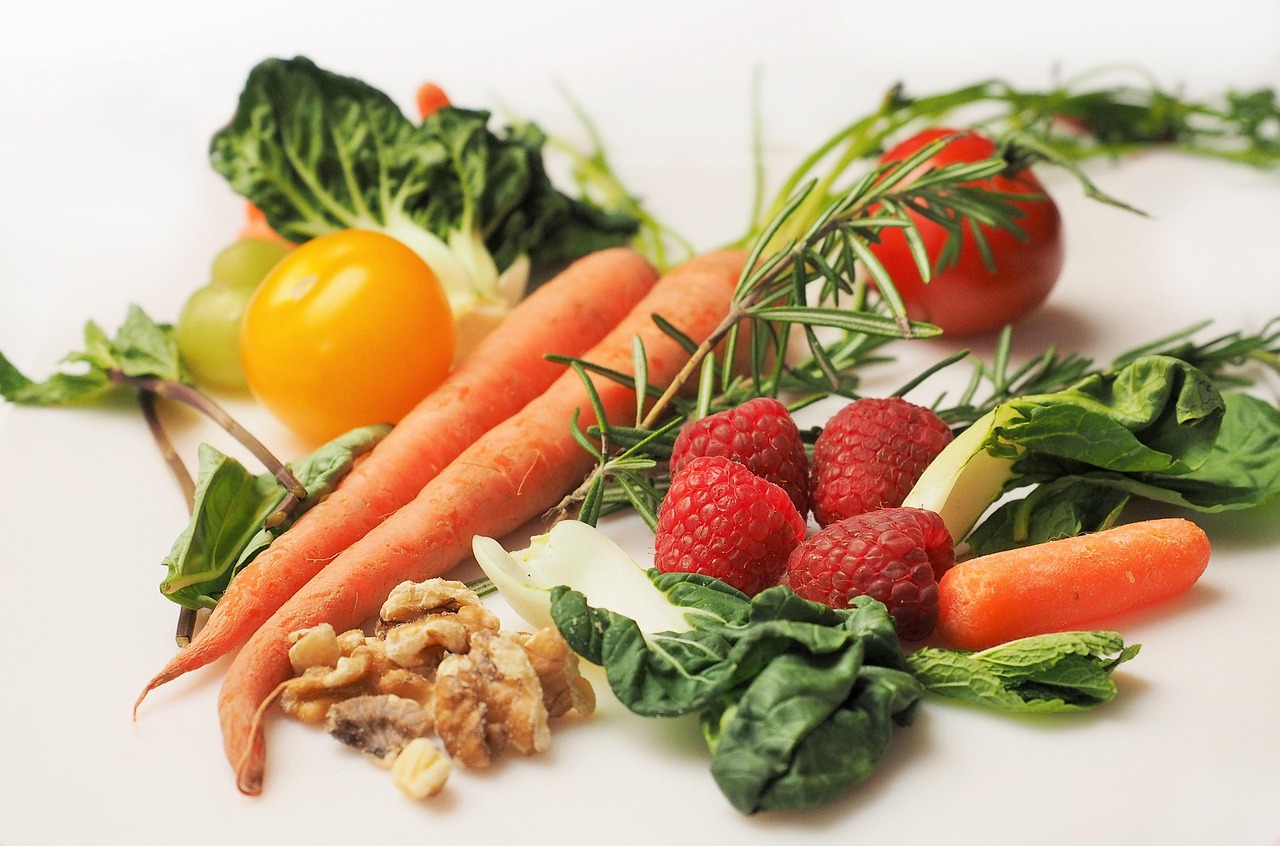
- Carotenoids: beta-carotene, lycopene (carrots, tomatoes).
- Alkaloids: caffeine, nicotine (coffee/tea; tobacco).
- Terpenes: limonene, pinene (citrus peel, herbs).
- Phytosterols: sitosterol, campesterol (nuts, seeds, whole grains).
How Bioactives Help
Bioactives support health by protecting cells and tuning body signals, and we can get them from everyday foods.
Health effects :
- Antioxidant support (guards cells from damage).
- Anti-inflammatory actions (may calm overactive responses).
- Polyphenols in berries, olive oil, and tea can lower overactive inflammation linked to heart disease and diabetes.
Best sources:
- Fruits & vegetables (berries, leafy greens), nuts/seeds, whole grains (oats, brown rice).
- Spices & herbs (turmeric, ginger, rosemary, thyme).
- Seafood (salmon, tuna—omega-3s).
Fun Facts
Here are some interesting facts about bioactives:
- Scientists have formally identified and studied less than 1% of existing bioactives.
- Broccoli family veggies (sulforaphane) can switch on detox enzymes that help cells handle stress.
- Garlic and cocoa have compounds that make blood less “sticky,” which helps your heart.
- Nuts, seeds, and whole grains contain plant sterols that can block some cholesterol from being absorbed.
Review
Let’s quickly recap what we learned about bioactives:
- What is the big plant group of bioactives in berries and tea? Polyphenols
- Which coffee stimulant is an alkaloid? Caffeine
- What orange-red pigment group is in carrots and tomatoes? Carotenoids
- Which plant fats found in nuts and seeds resemble cholesterol? Phytosterols

Recent Comments