
What is a Heart Attack?
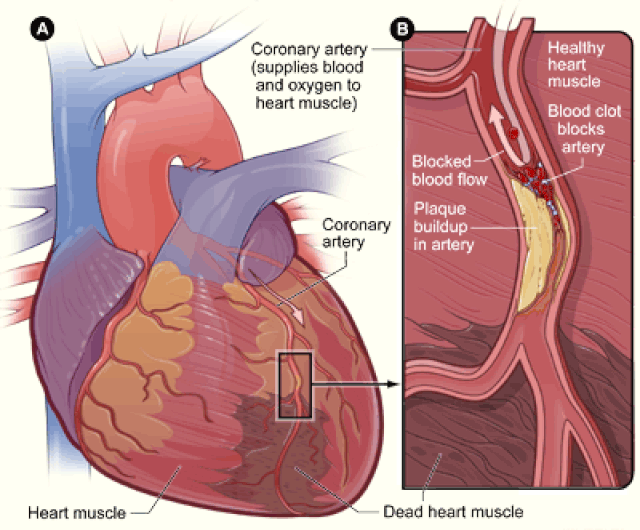
A heart attack happens when blood can’t reach part of the heart muscle. The medical term for a heart attack is myocardial infarction (MI)
- The heart is a muscle that needs a constant supply of oxygen-rich blood.
- Coronary arteries are the “pipes” that bring blood to the heart muscle.
- A heart attack occurs when these arteries get blocked, usually by a plaque buildup of fat, cholesterol, and other substances.
- The most common arteries involved are the left anterior descending artery (sometimes called the “widowmaker”) and the right coronary artery.
Why Blockages are Dangerous
Blocked blood flow stops oxygen delivery, which damages the heart.
- When the heart doesn’t get oxygen, the cells switch to anaerobic respiration, which quickly builds up lactic acid and causes pain.
- Symptoms include chest pain, shortness of breath, sweating, nausea, and pain in the arm or jaw.
- Without oxygen, heart muscle cells die within 20–40 minutes.
- Quick medical treatment (like medicines to break the clot or surgery to open the artery) can save heart tissue.
Fun Facts
Here are some interesting facts about heart attacks:
- Every year, about 805,000 people in the U.S. have a heart attack.
- Doctors can often diagnose a heart attack in just a few minutes using an ECG (Electrocardiogram).
- Women can have different symptoms than men, like unusual fatigue or indigestion.
- Laughter and exercise both release chemicals that help protect the heart!
Review
Let’s quickly recap what we learned about heart attacks:
- What muscle in your body needs constant blood supply? Heart
- What blood vessels supply the heart with oxygen? Coronary arteries
- What causes the blockage that leads to a heart attack? Plaque
- What is one habit that helps prevent heart attacks? Exercise

Recent Comments