
What Are Non-Vascular Plants?
Non-vascular plants are simple, ancient plants without the tubes that most plants use to transport water.
- No vascular tissues: They don’t have xylem or phloem to carry water and nutrients.
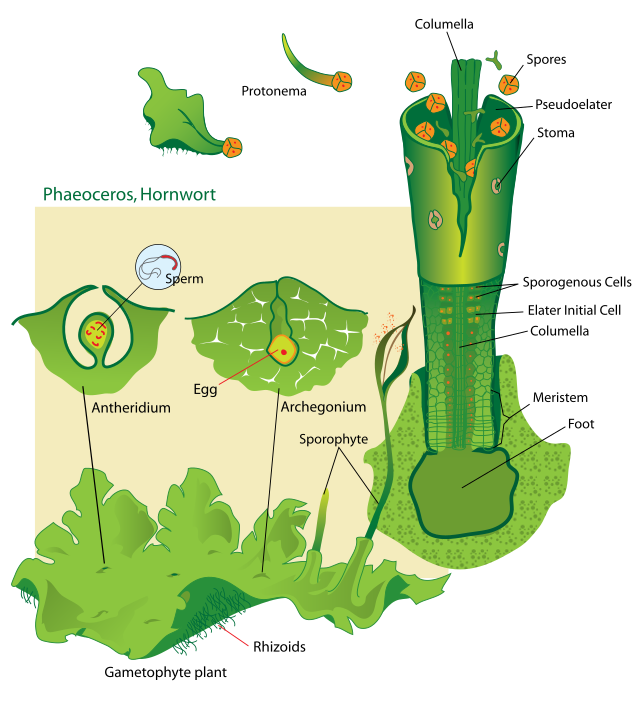
- No true roots, stems, or leaves — instead, they have structures like rhizoids to anchor them.
- Depend on water: Water moves by diffusion and osmosis, so they need moist environments.
- Most are small and low to the ground because they can’t support tall structures.
Examples:
- Mosses
- Liverworts
- Hornworts
How They Live and Why They Matter
Non-vascular plants play a significant role in ecosystems, even though they’re small and simple.
- Grow in wet, shady places like forest floors, rocks, or near streams.
- Reproduce using spores, not seeds or flowers.
- Need water for sperm cells to swim to the egg cells!
- Ecological roles:
🔸 Help prevent soil erosion.
🔸 Provide habitat for tiny organisms.
🔸 Start the process of soil formation on bare rock (pioneer species).
Fun Facts
Here are some interesting facts about non-vascular plants:
- Mosses are among the oldest land plants — over 400 million years old!
- Some mosses can survive freezing and drying out, returning to life with water.
- Peat moss is used in gardening and as a fuel source in some countries.
- Liverworts get their name because their shape was thought to resemble a human liver.
Review
Let’s quickly recap what we learned about non-vascular plants:
- What tissue do non-vascular plants lack? Xylem & Phloem
- What do mosses use instead of roots? Rhizoids
- What do they reproduce with? Spores
- What process helps water move through them? Osmosis & Diffusion

Recent Comments