
Guiding Questions
In this blog we’re going to be investigating what the doctor does about your pulse during a check-up. A lot of people don’t know what doctors are looking for, and they have questions like:
- How does a doctor check my pulse?
- What is a healthy pulse?
All About The Pulse
The pulse is the throbbing of the blood vessels in accordance with the heart beat. The best indicator for health is how fast the heart is beating at rest. It is measured in beats per minute(bpm) and can show how fast the heart is beating.
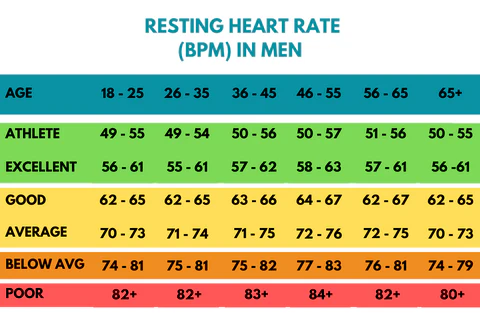
- Healthy Pulse Rate By Age: Pulse rate slowly decreases over age, so a baby will have a much higher rate than an elderly person.
- Healthy Pulse Rate by Gender: Women typically have slightly higher heart rates than men. This is because of smaller heart size and hormonal differences.
- Overall Average: The overall average healthy resting pulse rate is between 60-100 bpm
How To Measure Pulse
Doctors use pulse oximeters to measure pulse. Pulse oximeters are electronic devices that look like a clip that fits around your finger and measures pulse and blood oxygen levels. But don’t worry, measuring your pulse is not complicated and can be done by anyone even without a science gadget.
- Where To Measure Pulse: The pulse can be found in areas of the body where blood vessels are close to the skin. Good areas include the wrist and the side of the neck.
- How To Measure Pulse: When you are resting, take two fingers and press them on these areas for 15 seconds. Count how many beats you feel in those 15 seconds. Multiply the number of beats by 4 and you will get your resting heart rate in bpm.
- Why Do Doctors Care?: Doctors check your pulse because it is a non-invasive way to gauge your heart health. It can tell heart rate, heart rhythm, and heart strength.
Review
Here are some questions to review your knowledge about pulse.
- What gender typically has a higher heart rate? Women
- What’s the upper bound for a healthy resting heart rate? 100 bpm
- What do doctors use to measure pulse? A pulse oximeter
- What part of the neck is best for checking pulse? The side
DISCLAIMER: THIS BLOG POST DOES NOT PROVIDE MEDICAL ADVICE
The blog post and everything contained on it is for informational purposes only. No material on this site is intended to be a substitute for professional medical advice, diagnosis or treatment. Always seek the advice of your physician or other qualified health care provider with any questions you may have regarding a medical condition or treatment and before undertaking a new health care regimen, and never disregard professional medical advice or delay in seeking it because of something you have read on this website.

Recent Comments