
Guiding Questions
In this blog we’re going to be investigating what the doctor does about lipid panels during a check-up. A lot of people don’t know what doctors are looking for, and they have questions like:
- Why do I need a lipid panel?
- What does a lipid panel measure?
- How is a lipid panel performed?
Indications For A Lipid Panel
Lipid panels are used for a couple of different reasons. The main points are routine screenings, cardiovascular risk assessments, monitoring treatment, risk factors, and diagnosing conditions. Let’s go over each of the reasons below.
- Routine Health Screening: Lipid panels are often part of a regular check-up to assess overall health, especially for adults starting around age 20.
- Cardiovascular Risk Assessment: Lipid panels can evaluate the risk of clogged or hardened arteries.
- Monitoring Treatment: Lipid panels can be used check how well medication or lifestyle changes are working to lower bad cholesterol or triglycerides.
- Risk Factors: Panels monitor individuals with a family history of high cholesterol, heart disease, diabetes, or those who are overweight.
- Diagnosing Conditions: Abnormal results can assist in diagnosing or managing other conditions, such as liver disease, hypothyroidism, or pancreatitis.
What Does A Lipid Panel Measure?
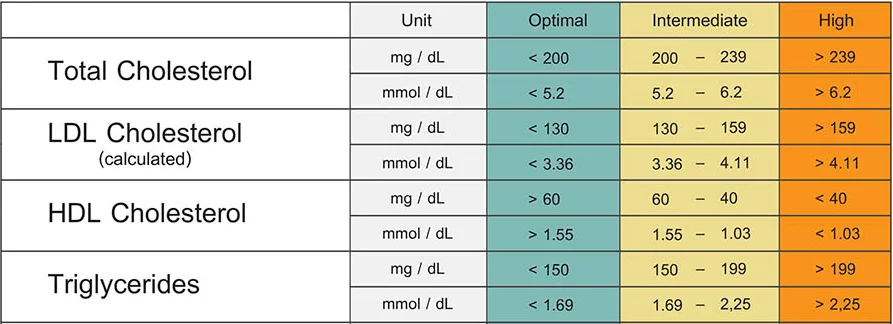
Lipid panels measure the different types of fats found in the bloodstream. It measures total cholesterol, high density cholesterol, low density cholesterol, and triglycerides. High levels of low density cholesterol and triglycerides is considered bad due to a high risk of plaque formation and the clogging of arteries.
Steps Of A Lipid Panel
Let’s go over how a lipid panel is performed.
- Preparation: In some cases, a 9-12 hour fast is required, but modern tests don’t necessitate it. Once you arrive at the testing site, the actual procedure takes only about 5 minutes. The technician will verify your identity. They will look for a suitable vein, usually on the inside of your elbow or the back of your hand. The area is cleaned with an antiseptic to prevent infection.
- The Blood Draw: An elastic band is tied around your upper arm to help the veins fill with blood and become more visible.A small needle is inserted into the vein. You might feel a quick sting. Blood flows into a small vacuum tube. Most lipid panels only require one small tube of blood. The technician removes the needle, applies pressure with a cotton ball or gauze, and places a bandage over the site.
- Lab Analysis: The sample is sent to a laboratory where it is placed in a centrifuge that spins the blood at high speeds to separate the plasma from the blood cells. Automated analyzers then measure the concentration of cholesterol and triglycerides in the plasma. The low density cholesterol is often calculated using a formula based on the other results, though some labs measure it directly.
- Receiving Results: You will usually receive your results within 24 to 48 hours via a patient portal or a call from your doctor’s office.
Review
Here are some questions to review your knowledge about Lipid Panels.
- At what age are lipid panels part of routine screening? 20
- What type of cholesterol is considered bad? Low Density Cholesterol
- Is a fast required for a lipid panel? Only Sometimes
- What machine is used to separate the plasma in the blood? A Centrifuge
DISCLAIMER: THIS BLOG POST DOES NOT PROVIDE MEDICAL ADVICE
The blog post and everything contained on it is for informational purposes only. No material on this site is intended to be a substitute for professional medical advice, diagnosis or treatment. Always seek the advice of your physician or other qualified health care provider with any questions you may have regarding a medical condition or treatment and before undertaking a new health care regimen, and never disregard professional medical advice or delay in seeking it because of something you have read on this website.

Recent Comments