
Guiding Questions
In this blog we’re going to be investigating what the doctor does about your breathing during a check-up. A lot of people don’t know what doctors are looking for, and they have questions like:
- How does a doctor check my breathing?
- Why does my doctor check my breathing and lung function?
How Doctors Check Your Breath And Lungs
Doctors will check your breath and lung function through various methods like using stethoscopes, spirometry, and pulse oximeters. Each instrument measures a specific aspect of the body’s lung function.
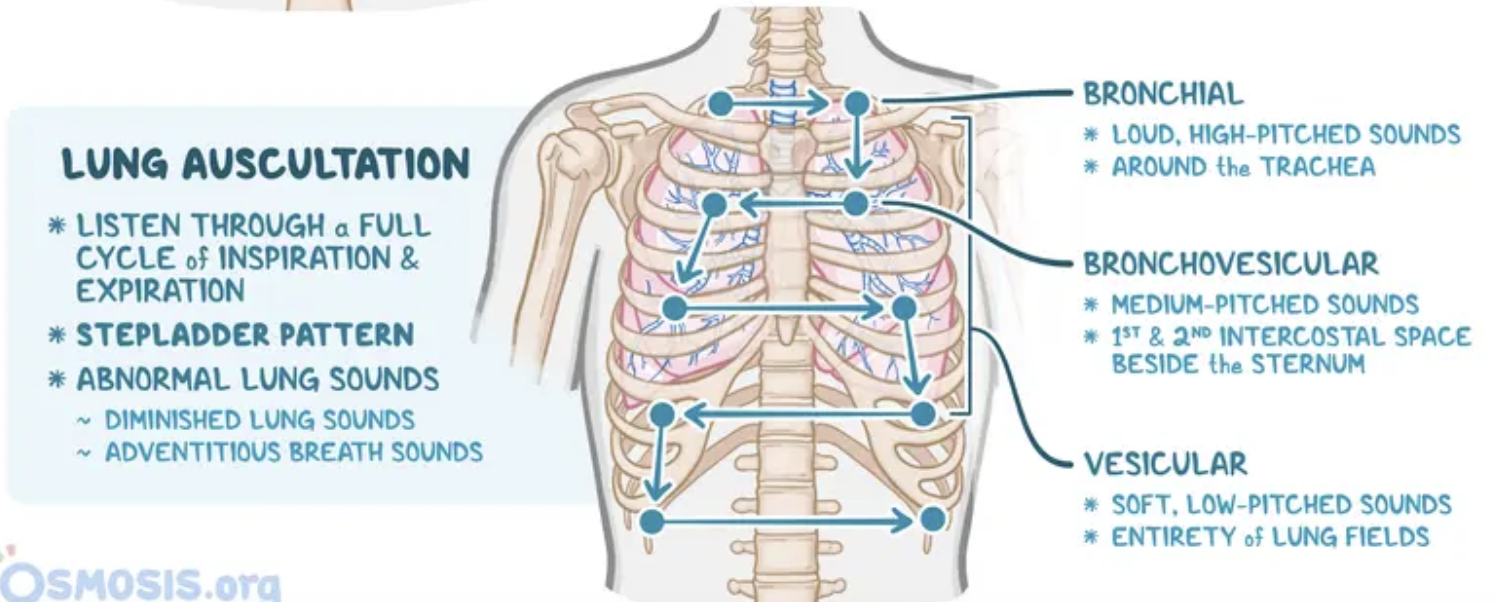
- Stethoscope: Doctors will place the stethoscope in 3 locations on the front of the chest and 6 locations on the back. These points allow for the doctor to listen in on the duration, frequency, amplitude, and quality of each breath.
- Spirometry: A spirometer is a device that measures the airflow in the lungs. Your nose will be clipped, then you need to blow through the device to measure air flow. This can tell the doctor about the lung’s health and inform them about any chronic conditions you may have
- Pulse Oximeter: A pulse oximeter is a little electronic clip on the finger that can measure blood oxygen levels. It uses a small light to detect the transparency of your blood, and less transparency means more oxygen. Doctors use this to detect how good your lungs are absorbing oxygen. Low oxygen levels could mean respiratory illness.
What Results Could Indicate
The reason why doctors do all these tests is to check how well your lungs are functioning. There are many things that could go wrong with the lungs and these tests check them. For example, the most common chronic lung conditions are asthma and COPD.
- Asthma: This is a chronic disease in which the tubes inside the lung narrow, causing cough, wheezing, and shortness of breath. It is usually caused by genetics and symptoms come in attacks. It can be managed using inhalers and allergy/irritant avoidance. There is no cure.
- Chronic Obstructive Pulmonary Disease: Also known as COPD, this disease usually occurs in those above 35-40. The disease is progressive, meaning it gets worse over time. Symptoms include wheezing, mucus, fatigue, and lifestyle impacts. It is mainly caused by smoking and can be managed by quitting smoking, taking bronchodilators, and lifestyle changes. There is no cure
Review
Here are some questions to review your knowledge about breath and lungs.
- How many locations on the back is the stethoscope placed? 6
- Is it a good thing if your blood is very opaque? Yes
- What is the main cause of asthma? Genetics
- After what age is COPD typically diagnosed? 35-40
DISCLAIMER: THIS BLOG POST DOES NOT PROVIDE MEDICAL ADVICE
The blog post and everything contained on it is for informational purposes only. No material on this site is intended to be a substitute for professional medical advice, diagnosis or treatment. Always seek the advice of your physician or other qualified health care provider with any questions you may have regarding a medical condition or treatment and before undertaking a new health care regimen, and never disregard professional medical advice or delay in seeking it because of something you have read on this website.

Recent Comments