
Have you ever wondered?
Why do we get goosebumps when we are cold or scared?
Does our brain control goosebumps?
Do animals get goosebumps, too?
What Causes Goosebumps?
Underneath every single hair on your body, there is a tiny “superpower” muscle working hard.
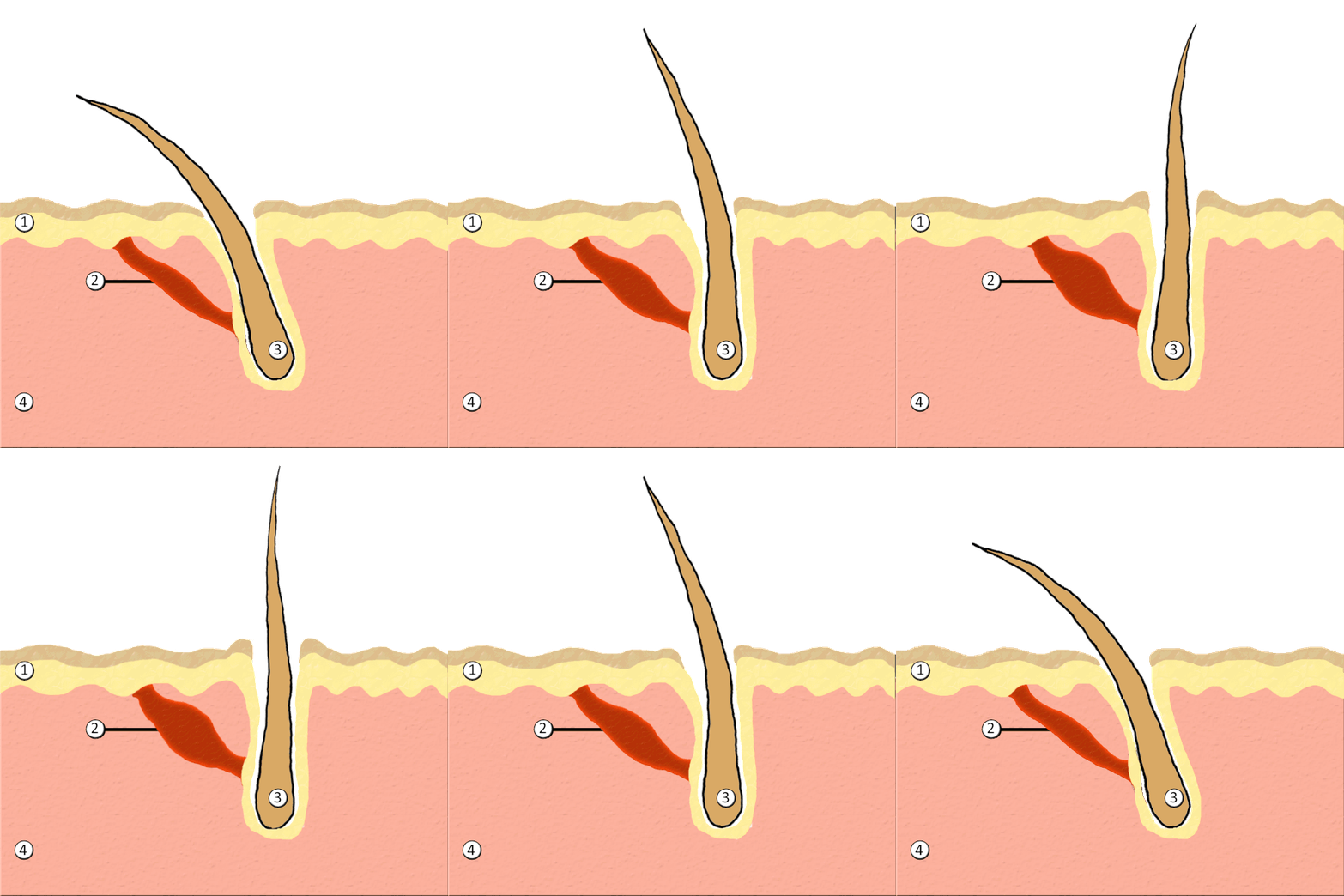
- Goosebumps are caused by tiny muscles called arrector pili.
- These muscles are attached to each hair on your skin.
- When you feel cold, scared, or excited, your brain sends a ‘piloerection’ signal through nerves.
- The muscles tighten and pull the hairs upright, making the skin look bumpy.
Why Goosebumps Exist
Goosebumps are actually a “hand-me-down” trait from our very hairy ancestors.
- Long ago, humans had thick body hair, as many animals do.
- When hair stood up, it trapped warm air, helping keep the body warm.
- Standing hair also made animals look bigger and scarier to predators.
- Humans lost most of their body hair, but the reaction stayed. It is a leftover survival response.
Fun Facts
Here are some interesting facts about goosebumps:
- Porcupines use the goosebump reflex to make their quills stand up when they are in danger!
- When you get scared, your body releases adrenaline. This hormone triggers the goosebump muscles as part of your “fight or flight” response.
- Some people get goosebumps during a sad movie or an epic song because the brain’s “reward system” gets a massive jolt of energy.
- We call them “goosebumps” because geese have the same bumps on their skin after their feathers are plucked!
Review
Let’s quickly recap what we learned about goosebumps:
- What is the name of the tiny muscle that pulls your hair up? Arrector pili
- Which hormone causes goosebumps when you are scared or excited? Adrenaline
- What do hairs trap to try to keep the body warm? Air
- Which system in the body sends signals that cause goosebumps? Nervous System

Recent Comments