
Infrasound
Sound is a vibration that travels as a wave; infrasound is the extra-low part of the spectrum that we can’t hear.
- Infrasound is below 20 Hz, so we do not hear it, but we can sometimes feel it as a rumble.
- Why it travels far: Low frequencies have long wavelengths that lose less energy and bend around obstacles to carry across kilometers.
- Natural sources: Thunderstorms, ocean waves, earthquakes, volcanoes, and tornadoes create infrasound.
- Animals that use it: Elephants and some whales send deep calls that travel long distances through air or water.
Ultrasound
Ultrasound is sound above 20,000 Hz, and its short wavelengths reflect from tiny features to reveal fine detail.
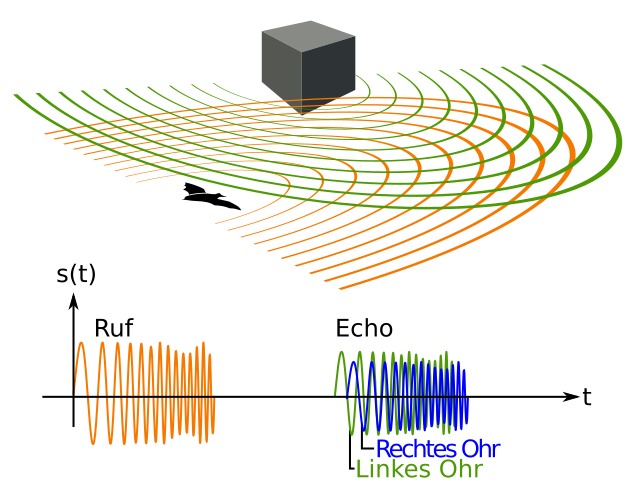
- Echolocation in nature: Bats and dolphins send quick clicks and read the returning echoes to judge distance, size, and speed, helping them find prey.
- Medical imaging basics: A handheld transducer sends pulses into the body and “listens” for echoes to build a picture; the gel removes air so sound can enter the skin.
- Doppler ultrasound: Small shifts in echo frequency reveal the direction and speed of blood flow, which helps check heart and vessel health.
Fun Facts
Here are some interesting facts about infrasound & ultrasound:
- Scientists listen for infrasound to monitor volcanoes, storms, and large explosions, which helps with early warnings and safety.
- Parking sensors, robotics range finders, and quality control scanners use ultrasound to detect distance and hidden cracks.
- Deep subwoofers add infrasound that you can feel in action scenes in movies.
- Many dog whistles use ultrasound that dogs can hear but humans cannot.
Review
Let’s quickly recap what we learned about infrasound & ultrasound:
- What do we call sound below 20 Hz? Infrasound
- What do we call sound above 20 kHz? Ultrasound
- What is finding things by reflected sound called? Echolocation
- What effect uses frequency shift to measure motion or flow? Doppler

Recent Comments